Date: 26 May 2025
Venue: Gynaecology Ward, Abbasi Shaheed Hospital, Karachi
Occasion: Menstrual Hygiene Day (28 May)
Sustainable Development Goal: SDG 3 – Good Health and Well-being
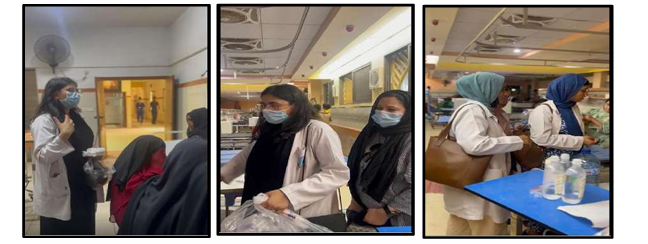
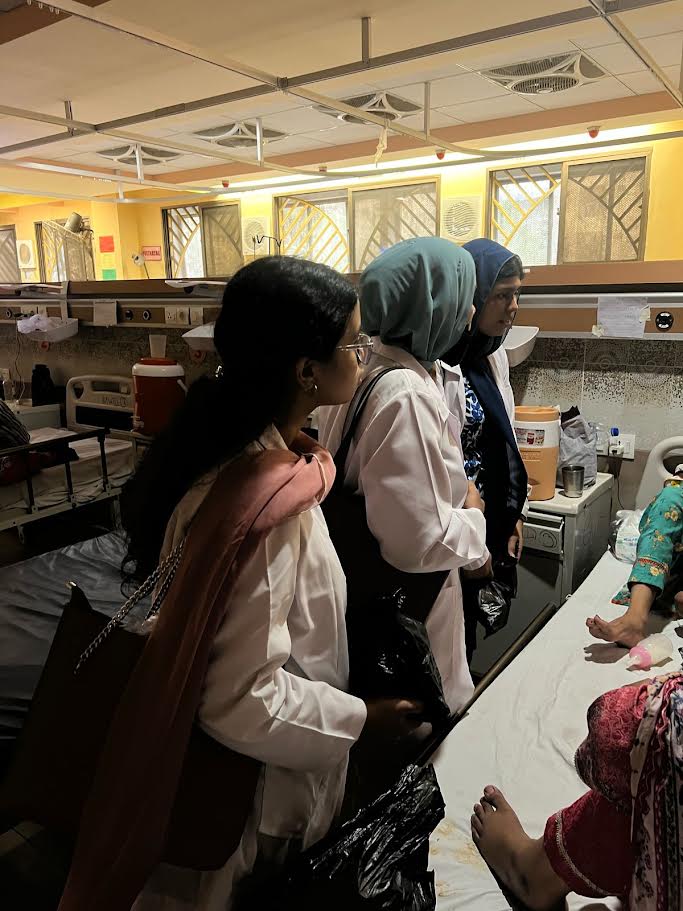
In observance of Menstrual Hygiene Day, celebrated annually on 28 May, Dow Dental College (DDC), Dow University of Health Sciences (DUHS), organized a Menstrual Hygiene Awareness Activity on 26 May 2025 at the Gynaecology Ward of Abbasi Shaheed Hospital, Karachi. The activity was led by Ms. Mushkain Shahid, SDG Ambassador from Dow Dental College, with the aim of promoting menstrual health awareness, encouraging safe hygiene practices, and addressing prevalent misconceptions and harmful practices among women from underserved communities.
During the visit, the team identified several concerning menstrual hygiene practices among women in the ward, including the use of old or inadequately cleaned cloths and the repeated reuse of menstrual materials without proper washing and thorough drying. Some women also reported prolonged use of sanitary pads due to limited access to menstrual hygiene products or a lack of awareness regarding recommended changing intervals. These observations highlighted the need for accessible, culturally sensitive health education and greater awareness of safe menstrual care practices.
The awareness session focused on educating participants about the importance of maintaining proper menstrual hygiene and the potential health risks associated with unhygienic practices. Through respectful discussions, practical demonstrations, and educational guidance, the team explained the importance of changing sanitary pads regularly, washing and thoroughly drying reusable cloths before reuse, maintaining personal hygiene, and adopting safe and affordable menstrual management practices, particularly in resource-constrained settings.
The session also provided an opportunity for participants to discuss their concerns, clarify misconceptions, and gain a better understanding of menstrual health. Many women expressed appreciation for the information shared, noting that they had previously received limited guidance on safe menstrual hygiene practices. Their positive response reflected the importance of community-based awareness initiatives in improving health literacy and encouraging informed healthcare decisions.
The activity was a meaningful step towards breaking the stigma surrounding menstruation, promoting dignity in menstrual care, and empowering women with essential knowledge to protect their health and well-being. It also reinforced DUHS’s commitment to community engagement, preventive healthcare, and health education in underserved populations.
By supporting Sustainable Development Goal 3 (Good Health and Well-being), this initiative emphasized the importance of accessible health information and preventive education in fostering healthier communities and ensuring that every woman can manage menstruation safely, confidently, and with dignity.